Journey of Dedication · 3 / 7
Buying the land, taking the first dig
A long journey that began with documents and procedures
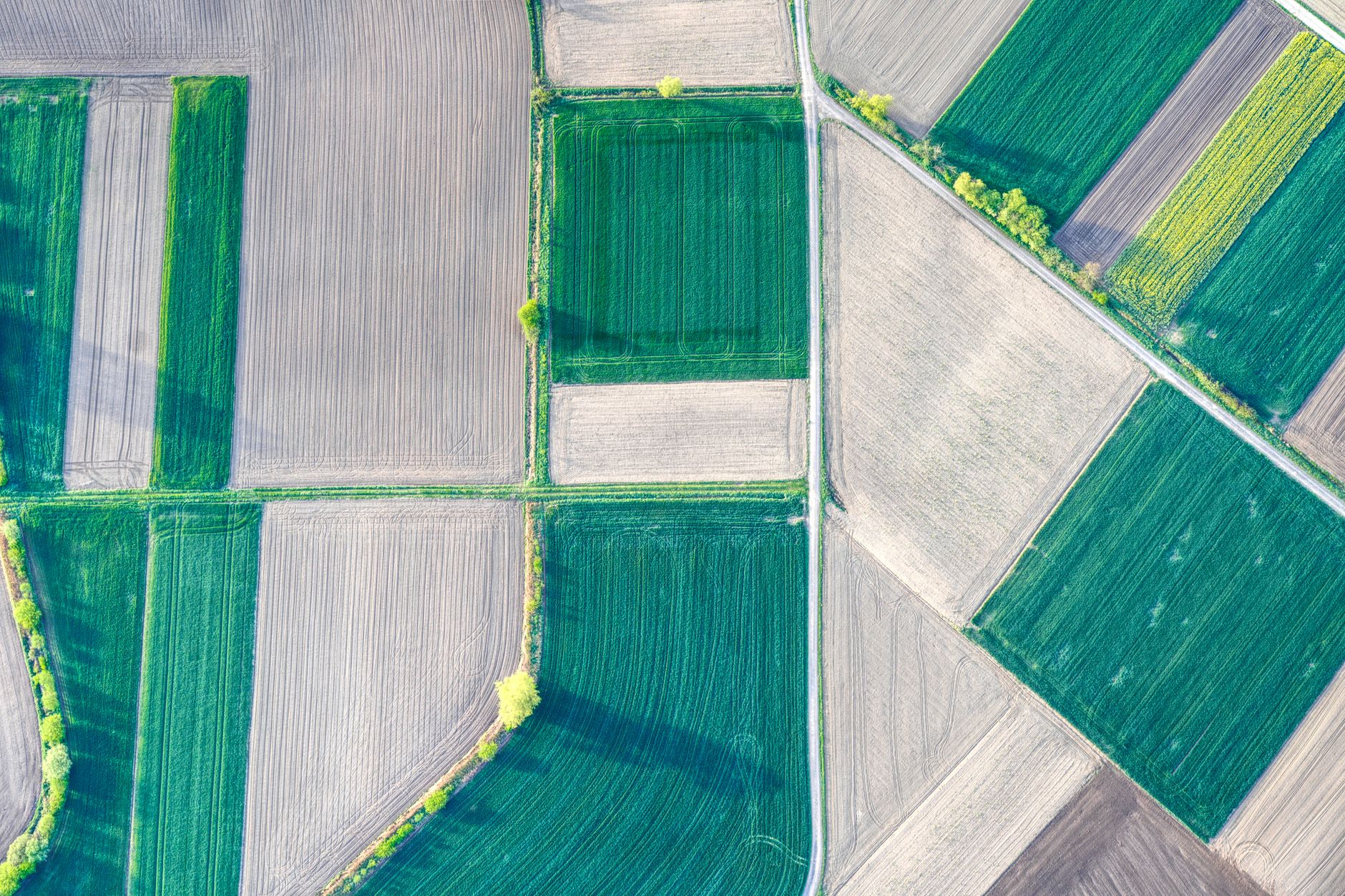
The beginning of a project is often depicted as a grand groundbreaking ceremony, but in reality, it starts with a quiet pile of paperwork. In 2021, we purchased the land in Sajik-ri. From then on, there were more procedures than we thought before we could even break ground. This story is about the beginning, from buying the land to breaking ground.
01Buying Land
Buying land is not just about signing a contract. First, you need to check what you can do with the land. You need to know the land's designation, what it can be used for, and what procedures are required to build something. Only after considering all these factors can you start making plans.
The land we bought was originally farmland. To build a water play facility and a rest area on the farmland, we had to go through the process of changing the land's designation. Many people may feel overwhelmed at this point, and we did too. However, we decided not to rush and to take it one step at a time.
02The Path of a Tourist Farm
The path we chose was to become a tourist farm. A tourist farm is a facility based on the Agricultural and Fishing Village Improvement Act, which allows for rest and experience in nature, fitting our vision.
To take this path, we needed to get approval for our business plan from the market and county supervisor. When applying for approval, we had to submit a plan that included the facility's name and location, size, business information, construction plan, construction period, and the current state of the land and its layout. We had to draw a complete picture of what we wanted to build and where. However, the required documents and detailed criteria may vary depending on the region, so it's best to check with the local authorities if you're actually preparing for it. During this process, our vague ideas became concrete plans.
03Changing the Land Designation
To use farmland for another purpose, we need to go through the process of changing the land designation. In our case, it was changing the designation from farmland to a park. This process involves applying for a designation change, undergoing an inspection, and having the change confirmed. This process can be done together with the procedure for changing the use of farmland.
One thing to note is that when changing the use of farmland, there is a cost called the farmland conservation burden fee. This amount varies depending on the size of the land and the publicly announced land price. It's not a fixed amount, but it's calculated differently for each piece of land. Therefore, it's difficult to determine the exact cost in advance, and it's best to check with the local authorities for an accurate calculation. We also confirmed this with the authorities.
04The Time of Accumulating Paperwork
These procedures don't end in a day. We had to prepare documents, submit them, supplement them, and wait. The visible construction hadn't even started yet, but time kept passing. We felt impatient at times, but there was no way to skip this process.
Looking back, the time spent on paperwork was not wasted. Our vague ideas became clearer as we went through the process, and we were able to identify potential problems in advance. If we had rushed into construction, we would have paid a higher price later.
If you're preparing to buy land, I'd like to say one thing: don't be impatient because the process is slow. The time spent communicating with the authorities and supplementing documents is not a waste, but it's time that makes your plan more solid. Thanks to this process, we were able to proceed with the construction without any issues.
05Breaking Ground
Finally, the day arrived when we could start working on the land. The plan that had only existed on paper began to take shape in the real world.
The feeling of breaking ground was special. However, it was not the end, but a new beginning. The biggest question still remained: is there really water under this land, and is it usable? In the next story, we'll tell you about the construction process that determined the success or failure of this project, as we dug deep into the ground to find the answer.